The Internet of Things is more than just a buzzword or a tech-savvy plot in a sci-fi movie. As devices become smarter and more interconnected, there’s a lot to consider, especially when it comes to software development. Developers now have the mission to connect everything from coffee makers to smart cities, making their work a bit like a high-tech game of connect-the-dots, only the dots are moving. Jump into the world of IoT software development, where creativity meets technology, and discover what it takes to become a key player in this digital revolution.
Understanding the Internet of Things
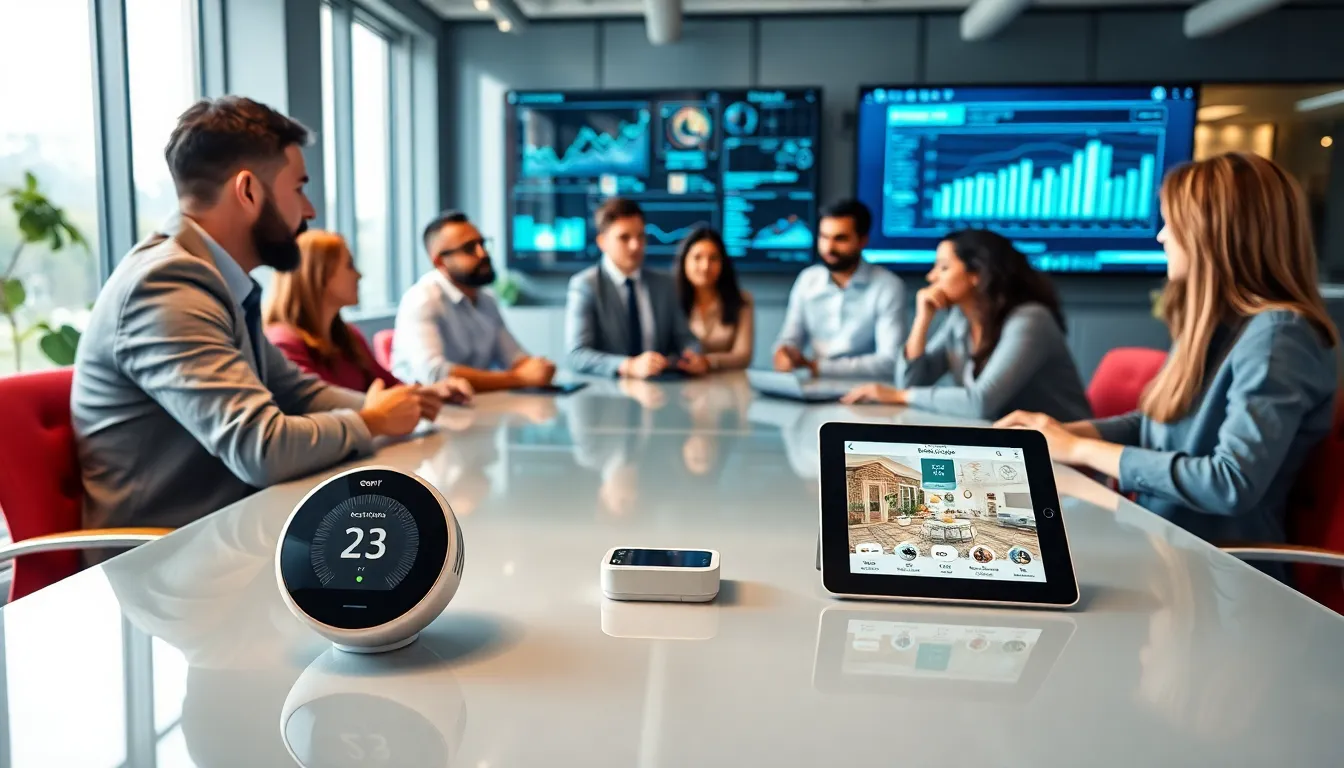
The Internet of Things, often abbreviated as IoT, refers to the network of physical devices embedded with sensors, software, and other technologies, allowing them to connect and exchange data with other devices over the Internet. From smart thermostats managing home temperatures to healthcare devices tracking patient data, IoT is revolutionizing how we interact with technology daily.
At its core, IoT aims to improve process efficiency and enhance our quality of life. For instance, a smart refrigerator can alert users when groceries are running low or even suggest recipes based on available ingredients, making meal prep easier and more efficient. Understanding this landscape requires awareness of the myriad devices involved, the data they generate, and the potential impacts on daily living.
Key Components of IoT Software Development
When developing software for IoT, several key components must be taken into account. These elements form the backbone of any IoT project, ensuring that devices communicate effectively and operate seamlessly, which includes:
1. Hardware
IoT devices rely on physical hardware, sensors, processors, and connectivity modules. The choice of hardware often dictates software capabilities, so developers must choose wisely.
2. Connectivity
Devices communicate through various protocols such as Wi-Fi, Zigbee, or LoRaWAN. Understanding these protocols and selecting the right one is crucial to ensure smooth data transfer.
3. Data Processing
Once data is collected, it needs to be processed. This can occur on the device (edge computing) or in the cloud. Each approach has its benefits, depending on the use case.
4. User Interface
A well-designed user interface (UI) is essential for enabling users to interact with IoT devices effectively. User experience (UX) should always be a priority to ensure user satisfaction.
Development Frameworks and Tools for IoT
To tackle the complexities of IoT software development, developers have a variety of frameworks and tools at their disposal. Using the right tools can dramatically streamline the development process. Here are a few noteworthy options:
1. Node-RED
This visual programming tool allows developers to wire together hardware devices, APIs, and online services, making it incredibly efficient for prototyping and building IoT applications without diving into complex code.
2. Arduino
Ideal for both beginners and seasoned developers, Arduino serves as an open-source electronics platform that lets users create interactive projects using pre-designed hardware configurations.
3. AWS IoT Core
Amazon Web Services offers a robust environment for managing connections and interactions between IoT devices and the cloud, providing extensive service support for security and scalability.
4. Google Cloud IoT
Google’s suite of tools aids developers in managing and analyzing data from connected devices, utilizing machine learning capabilities to enhance data processing.
Challenges in IoT Software Development
Even though the exciting prospects of IoT, developers face a unique set of challenges that can complicate projects. Understanding these hurdles can help navigate them more effectively:
1. Security Concerns
With vast amounts of data flowing between devices, security has become a paramount issue. Developers must carry out robust encryption and ensure data privacy to mitigate risks of breaches.
2. Interoperability
The diverse range of devices often leads to compatibility issues. Ensuring that different devices from various manufacturers communicate effectively requires adherence to open standards.
3. Data Management
The sheer volume of data produced by IoT devices necessitates sophisticated strategies for data storage and management. This includes how to store, analyze, and use data effectively, without overwhelming users.
4. Scalability
When designing IoT solutions, developers must anticipate future growth. Scalability issues can arise if the infrastructure cannot handle an increase in connected devices or data.
Best Practices for Successful IoT Projects
To ensure a successful IoT project, developers should adopt a series of best practices that bolster efficiency and effectiveness:
1. Start Small
Begin with a pilot project or prototype. This allows developers to test concepts, gather feedback, and make necessary adjustments without extensive risk.
2. Focus on User-Centric Design
Understanding user needs informs UI/UX design. Great interfaces can significantly enhance user satisfaction and engagement with the technology.
3. Prioritize Security
Integrating security from the very start can prevent headaches down the line. Use industry standards and best practices to safeguard data and privacy.
4. Maintain Flexibility
Developers must be ready to pivot based on new information or changing market needs. The IoT landscape is often in flux, and adaptability can be key to success.
The Future of IoT Software Development
Looking ahead, the future of IoT software development is bright, but it comes with its own set of trends and anticipated advancements:
1. Increased AI Integration
Artificial intelligence is expected to play a significant role in predictive analytics and automation, with machine learning techniques enhancing device capabilities.
2. Edge Computing Enhancements
As more data processing occurs at the edge, rather than in the cloud, response times will improve, making devices more efficient and responsive.
3. Expansion of 5G Technology
The rollout of 5G networks will enable faster communication between devices, expanding the possibilities for real-time data analytics and smarter applications.
4. Focus on Sustainability
IoT projects will increasingly emphasize environmental considerations, from energy-efficient devices to solutions that help monitor and reduce energy consumption.